Let’s Explore Korean Food!
1. Welcome to Korean Food Culture!


(지도 이미지) 한국 지도와 수도 서울 표시
(이미지) 한국 전통 음식 사진 (한정식, 떡, 김밥, 김치 등)
Narration:
“Hello, everyone! Today, we will explore some of Korea’s representative foods and their cultural significance. We’ll learn about these delicious foods and even get to taste some of them. Let’s get started!”
Subtitle:
Korea is a country in East Asia.
Korean food is famous for being healthy, colorful, and full of flavors!
Today, we’ll explore Korean food culture!
2. Staple Foods: Rice & Cabbage
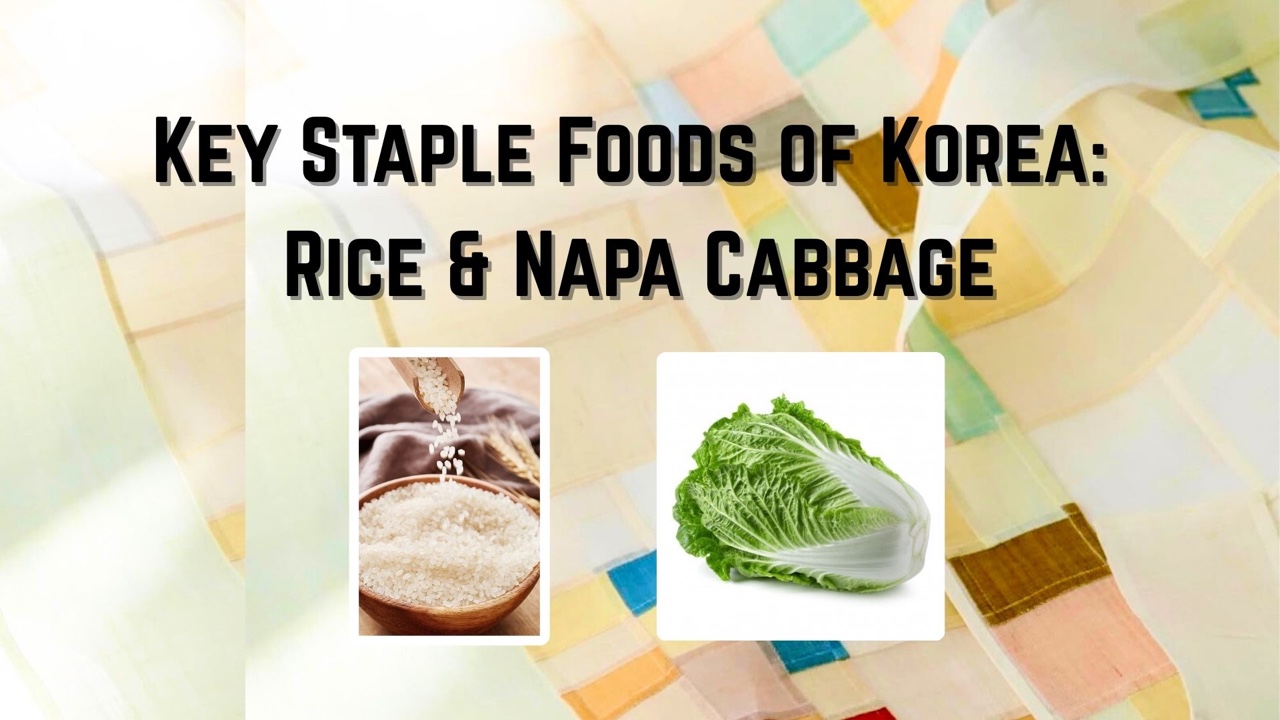

(이미지) 쌀농사, 배추 농사 장면
Narration:
“First, let’s talk about the staple foods of Korea. The most important one is rice. Rice is present in almost every meal and is an essential part of Korean cuisine. Another important ingredient is cabbage. Cabbage is used to make kimchi, one of Korea’s most famous foods.”
Subtitle:
Rice – Korea’s most important staple food
Cabbage – Key ingredient in kimchi
3. Kimchi
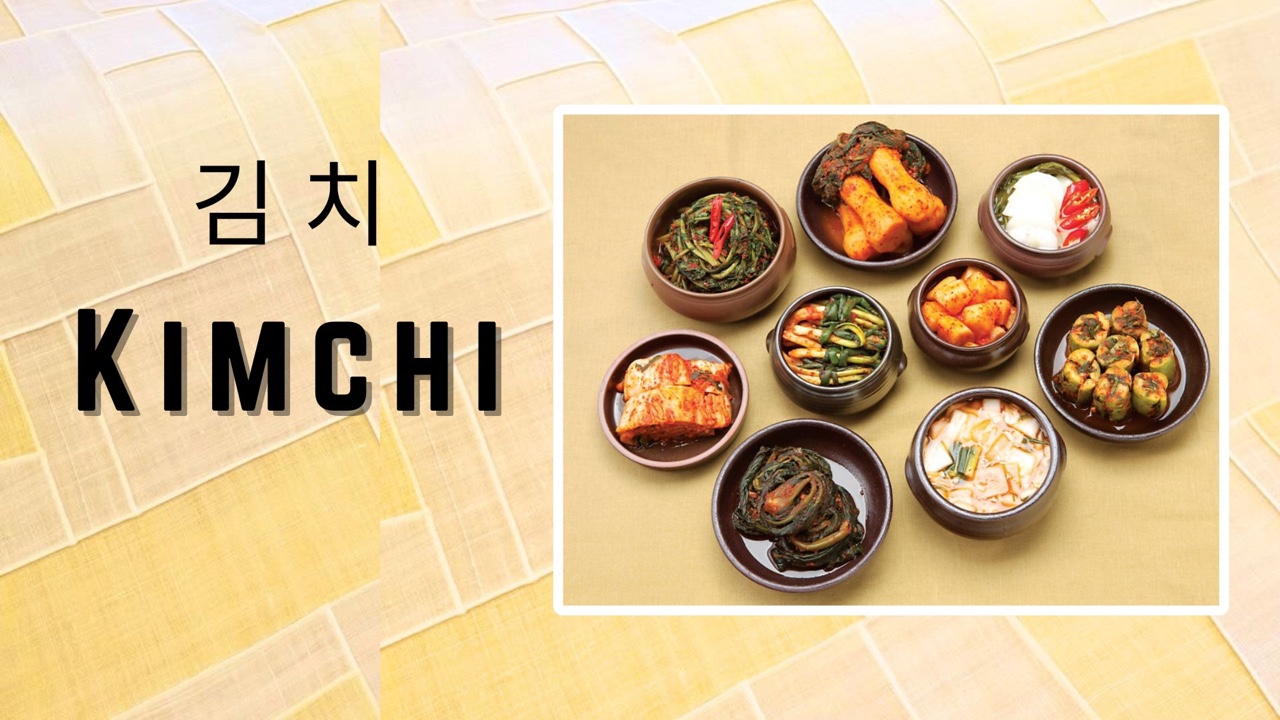
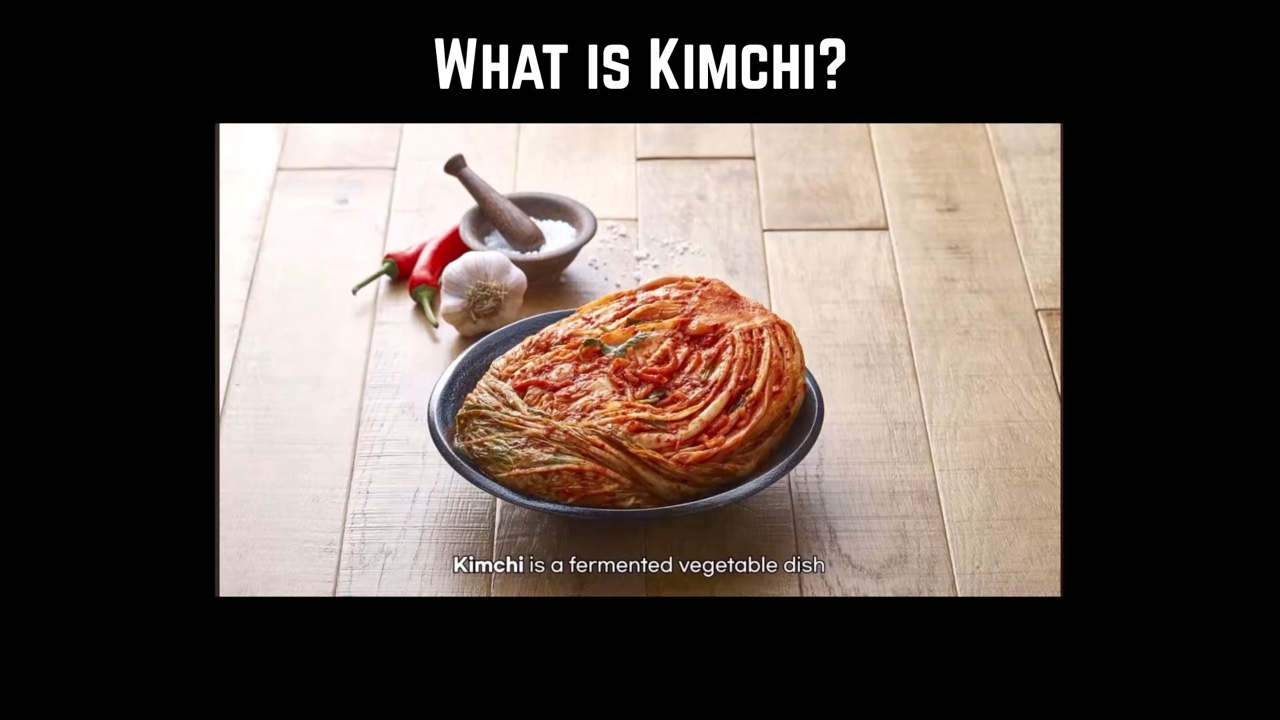
(이미지) 김치 만드는 영상
Narration:
“Kimchi is a staple in everyday Korean meals, embodying a centuries-old fermentation tradition passed down through generations. Its unique taste is a source of national pride, while its rich probiotic content offers notable health benefits. Typically made with cabbage, garlic, chili flakes, and other ingredients, Baechu Kimchi (Cabbage Kimchi) is the most iconic type of kimchi and holds deep cultural significance. Can you guess how many cabbages Koreans eat in one year? Over 2 million tons! Today, you’ll get the chance to taste this delicious Baechu Kimchi!”
Subtitle:
Kimchi – Korea’s iconic fermented dish, A symbol of tradition
There are many varieties of kimchi!
(Baechu Kimchi, Kkakdugi, Dongchimi, Chonggak Kimchi and many more)
4. Kimbap vs. Sushi
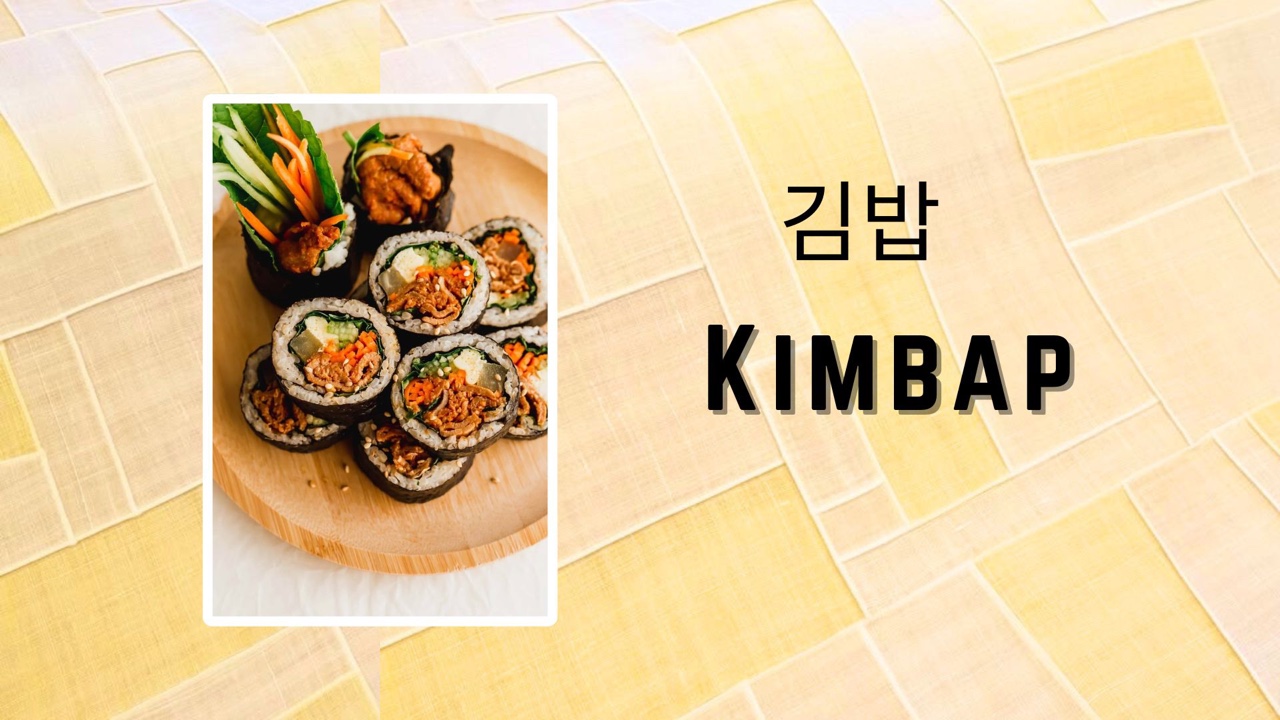


(이미지+짧은 영상) 김밥 말기 과정
(이미지) 김밥, 스시 사진
Narration:
“Now, let’s talk about kimbap! Kimbap is similar to sushi, but there are key differences. Kimbap is made by rolling rice and various ingredients in seaweed, but unlike sushi, it doesn’t contain raw fish. Kimbap is a popular food for lunch or picnics in Korea.”
Subtitle:
Kimbap – A roll made with cooked ingredients
Different from sushi – no raw fish!
5. Dumplings (Mandu)


(이미지)한국식 만두 (김치만두, 군만두, 고기만두 등)
Narration:
“Dumplings, or mandu, are another beloved dish in Korea. They are filled with meat, vegetables, or noodles and can be steamed, boiled, or fried. Dumplings are often eaten during special occasions and holidays, and they come in various flavors!”
Subtitle:
Mandu – Korean dumplings filled with meat and veggies
A delicious dish enjoyed during special events!
6. Rice Cakes (Tteok & Ggul-Tteok)


(이미지) 백설기, 송편, 인절미, 꿀떡 등
Narration:
“Next, let’s look at traditional Korean rice cakes, or ‘tteok’. Tteok is made from rice flour and is a popular dessert and snack. Tteok holds a special place during celebrations and ceremonies; for instance, tteokguk (rice cake soup) is eaten on New Year’s Day to symbolize the gaining of one year in age and to wish for a fresh start. One of the most popular varieties is ‘ggul-tteok’, a sweet rice cake filled with honey. These days, it’s popular to eat ggul-tteok with milk, a trend that even foreigners enjoy!”
Subtitle:
Tteok – A traditional Korean rice cake and Celebratory Food
Tteokguk symbolizes new beginnings on New Year’s.
Ggul-tteok – A sweet treat with honey
7. Bibimbap
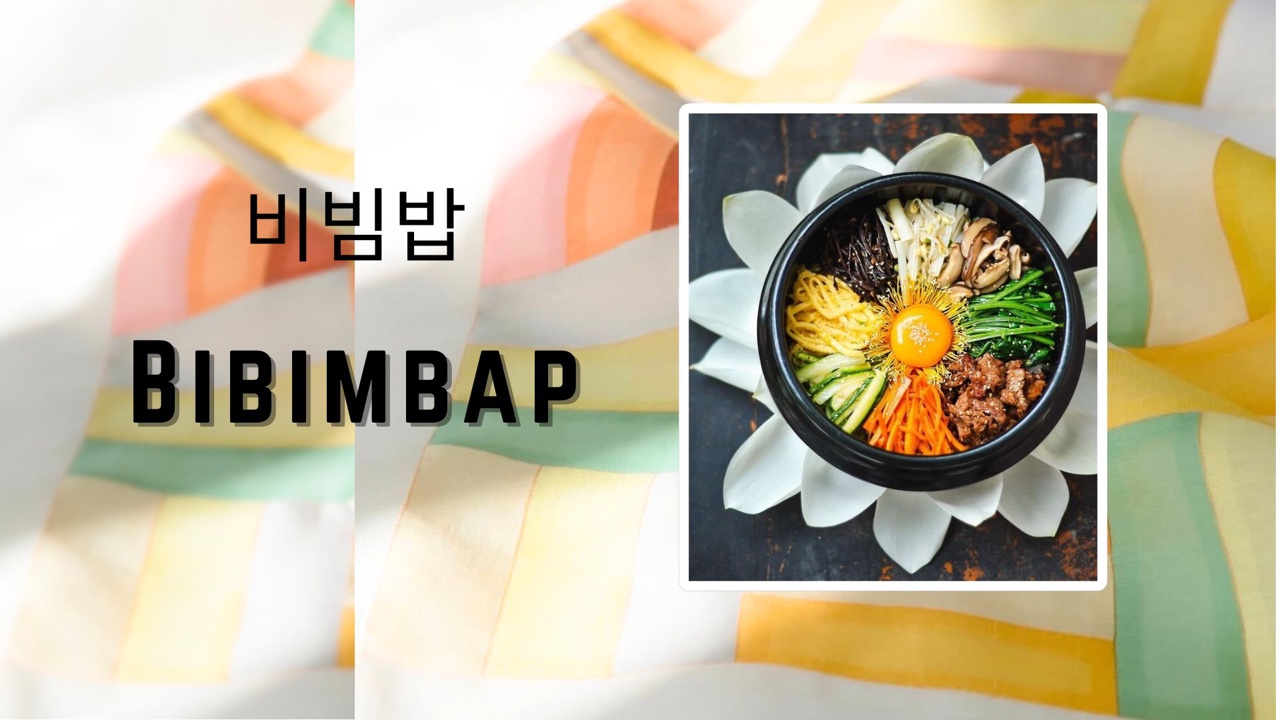
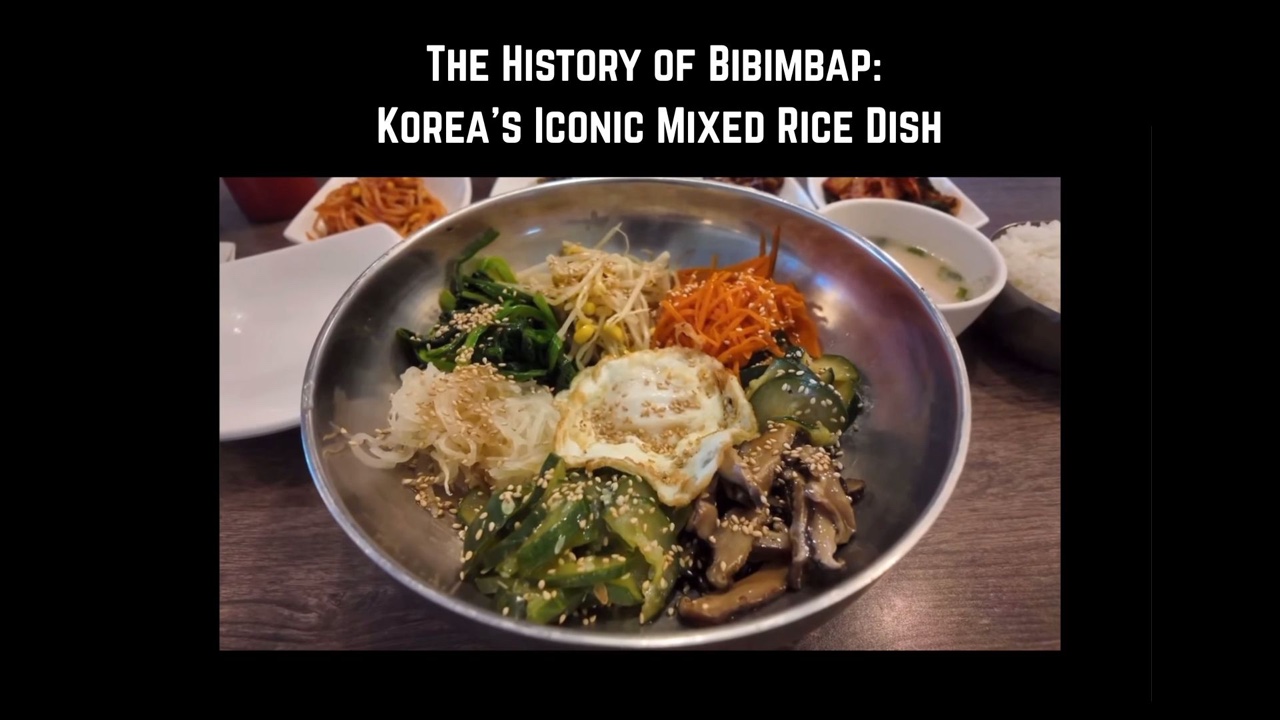
(이미지) 비빔밥
Narration:
“Now, let’s talk about bibimbap, one of Korea’s signature dishes. Bibimbap is a dish made with rice, various vegetables, meat, and a fried egg, all mixed together. The story behind bibimbap is interesting – it was originally created as a way for workers to use up leftovers, making it a simple yet flavorful dish!”
Subtitle:
Bibimbap – A mixed dish with rice and vegetables
Bibimbap’s origin – A dish made from leftovers!
8. Korean Dining Etiquette
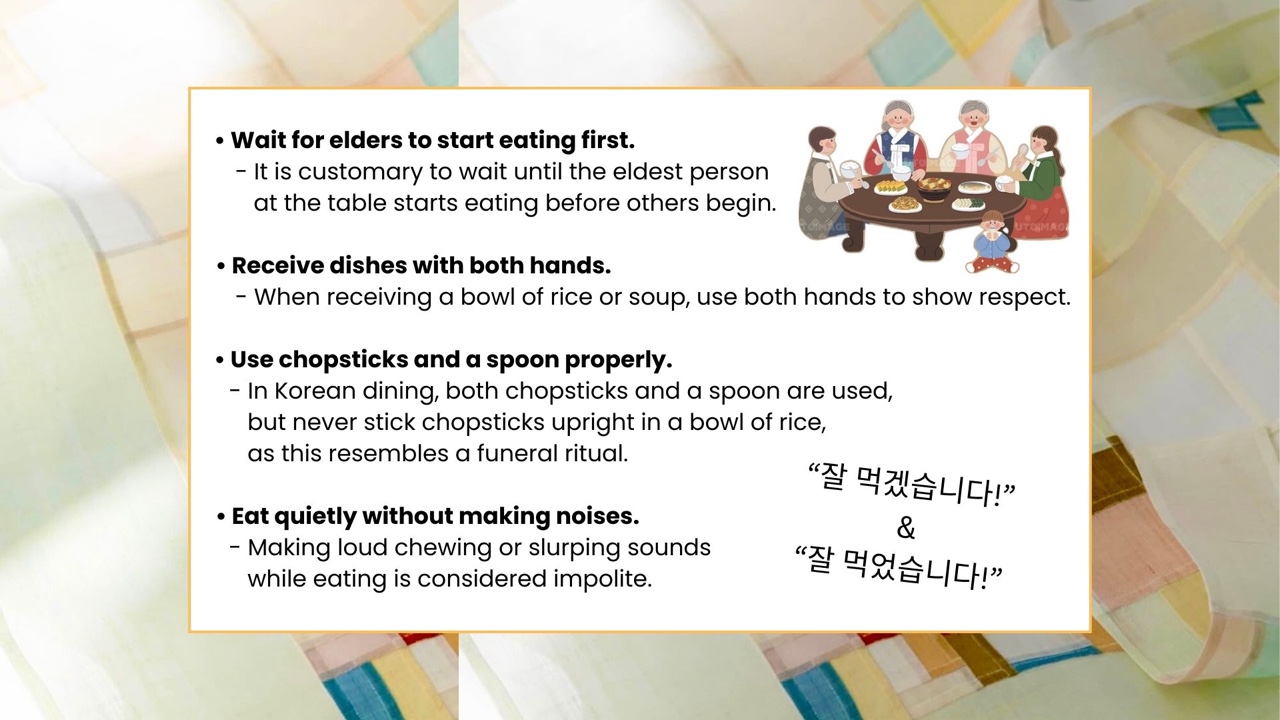
(이미지) 가족이 밥상에 둘러앉은 사진
Narration:
“Korean dining etiquette is also important., we say, ‘잘 먹겠습니다!’ (‘I will eat well’). The eldest person at the table usually starts the meal. We use both spoons and chopsticks during meals. When the meal is finished, we say, ‘잘 먹었습니다!’ (‘I have eaten well’).”
Subtitle:
Korean Dining Etiquette
– Before you start eating,
Say “잘 먹겠습니다!”[jal meok-get-seum-ni-da]
- When the meal is finished,
Say “잘 먹었습니다!”[jal meok-eoss-seum-ni-da]
The eldest person starts the meal
9. Food Tasting: Kimbap, Ggul-Tteok, and Kimchi
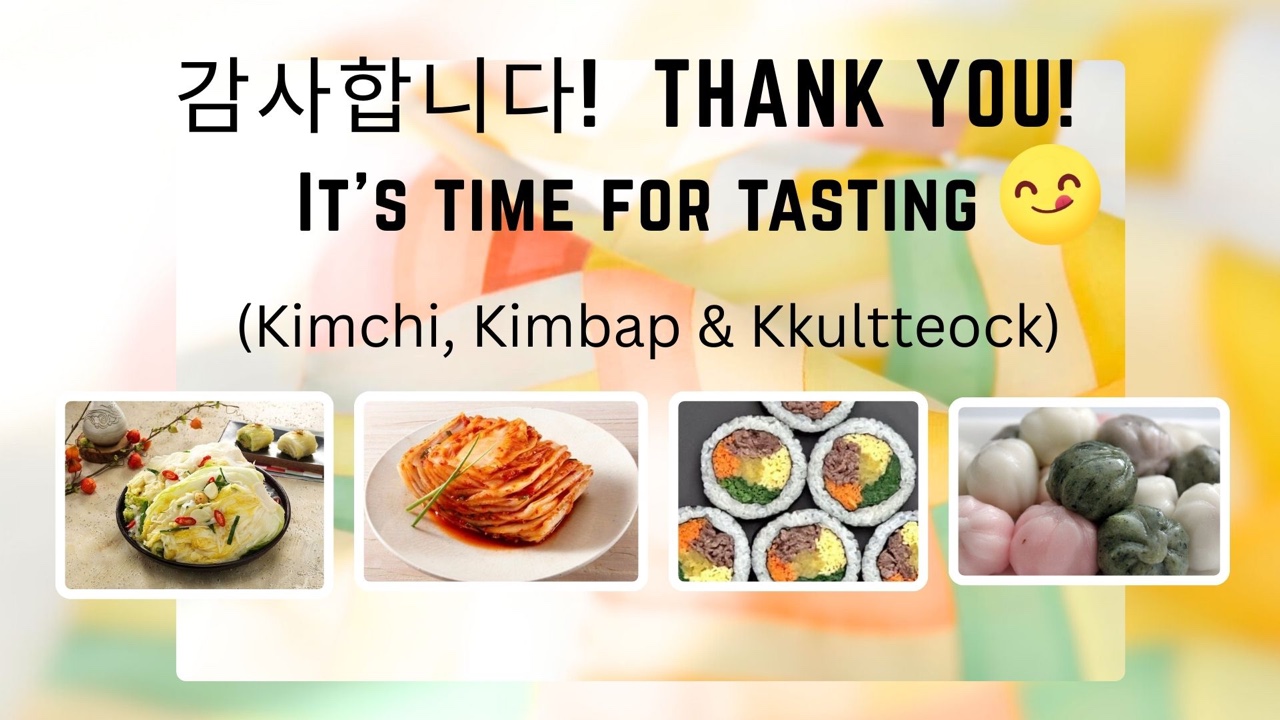
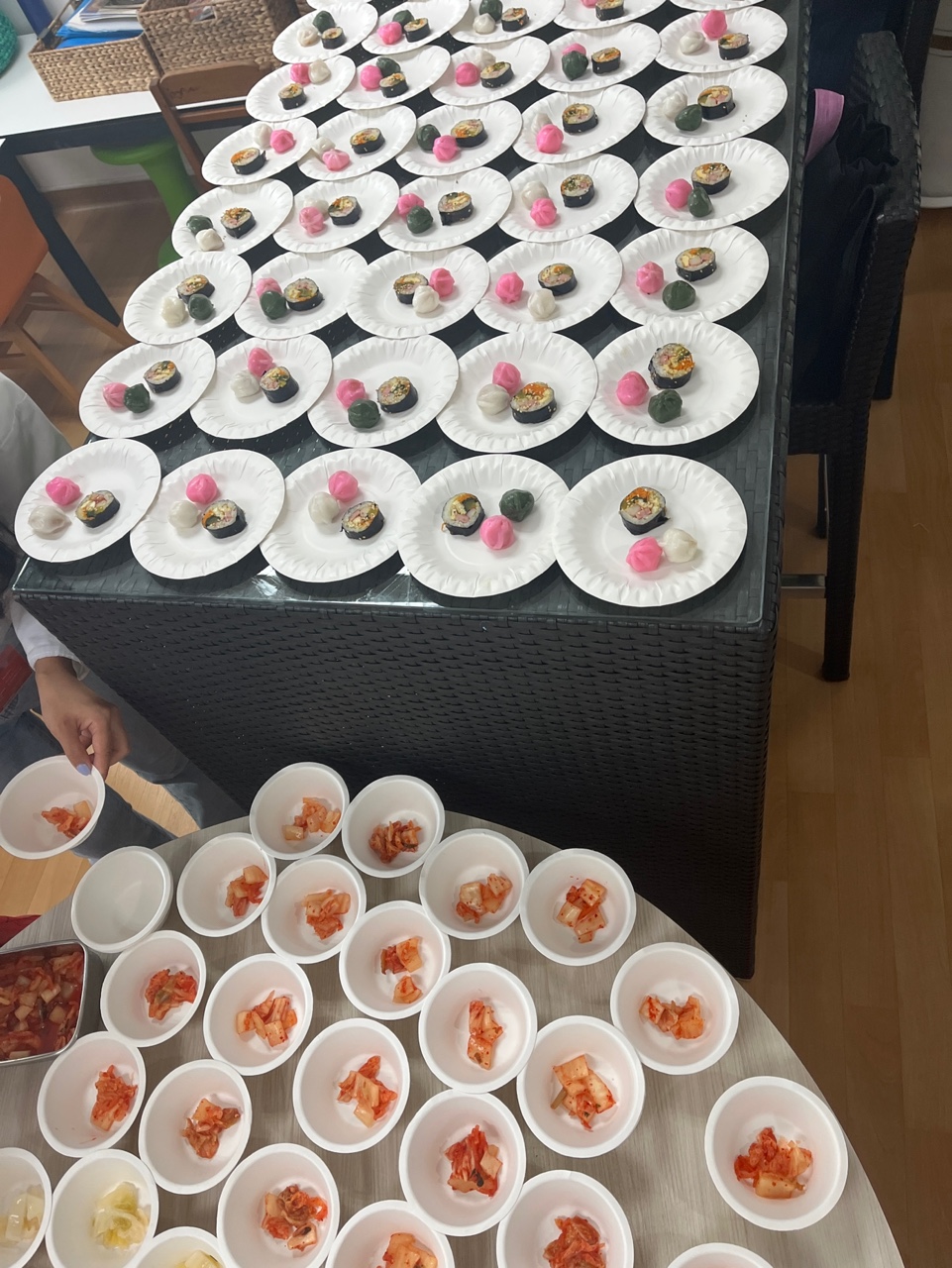
(이미지) 김밥, 꿀떡, 김치
Narration:
“Thank you for learning about Korean food culture with us today!”
“Please enjoy Korean food!”
Subtitle:
“Now, it’s time for tasting!
Say “잘 먹겠습니다!”[jal meok-get-seum-ni-da]
“감사합니다!” [kam-sa-ham-ni-da]